Begin with the life of the place
Public-facing art enters a setting people already use. Some will encounter it deliberately; others will pass it every day. Planning begins by understanding those patterns and imagining how the work might enrich the experience of being there.
Visit the site at relevant times and include the people responsible for it. Observe arrival, movement, light, activity, and the ways people spend time. This gives the artist useful context and helps the commissioning team prepare a responsible invitation.
Give the artist a meaningful assignment
Explain the context, the ambition, and the genuine constraints. Avoid choosing an artist only to reproduce a predetermined reference. A commission should benefit from the person’s practice and interpretation, with clear expectations about review and approval.
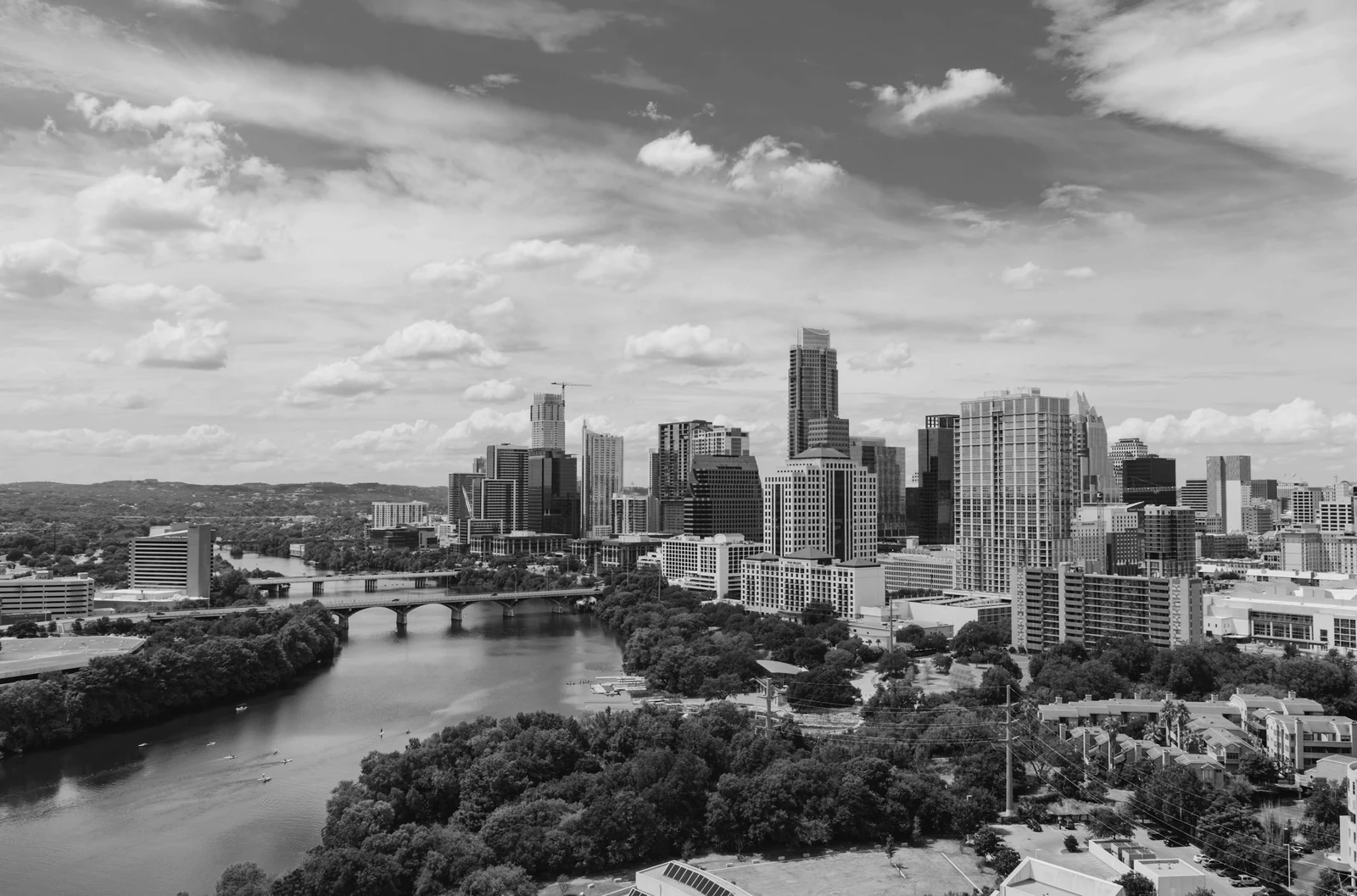
Austin’s Art in Public Places program offers a useful local reference for thinking about art in relation to civic places and community identity. It is a separate public program, not a Velaharra project or affiliation. Private commissioners can learn from the seriousness of site and context without assuming that a public commissioning process applies unchanged to their own project.
Bring practical expertise in early
Depending on the work, the team may need fabrication, structural, installation, access, lighting, or maintenance expertise. Identify who is qualified to address those requirements. The artist should not be left to discover late in development that an essential specialist or approval was missing from the plan.
In a hypothetical outdoor commission, the intended material and location may affect durability, care, and installation. Those questions can influence the creative development from the beginning. They are better addressed through collaboration than by rejecting a fully developed concept because the practical review came too late.
Bring different kinds of knowledge together
A hypothetical commission in a shared courtyard might involve the artist, the property team, a fabricator, an installer, and people familiar with the site's daily use. Each sees something different. The artist considers the encounter and the form. The operating team understands access and care. Technical specialists assess the requirements within their expertise.
Bring those perspectives into the process early enough to shape the proposal. Record the intended duration, responsibilities for maintenance, arrangements for access, and the route for resolving questions. If public approvals or other permissions apply, identify the appropriate authorities and current process for the actual site.
Austin's Art in Public Places program offers a local example of a structured public-art program. Its existence is useful context for understanding the city's cultural activity; a privately commissioned project should establish its own applicable requirements and responsibilities.
Budget for the life of the work
Consider the costs of making and installing the work alongside documentation, agreed uses, maintenance, and eventual changes to the site. Establish who holds the relevant records and who is contacted if the work needs attention. A commission does not cease to need responsibility when the opening photograph is taken.
The agreement should address the questions appropriate to the specific project with qualified advice. At the planning stage, make sure the parties have identified them. Clear responsibility for care is part of respecting both the work and the people who will encounter it.
Plan for the work after installation
Agree how the finished work will be documented, cared for, and reviewed. The artist can provide information about the intended appearance and relevant care considerations, while appropriate specialists advise on the technical requirements. Identify who retains that information and who authorizes future interventions.
For a temporary project, discuss the end of the presentation at the beginning. Removal, storage, return, or other arrangements should reflect the agreement and the nature of the work. Thoughtful stewardship allows the commission to have a clear and well-supported life in the place it was made for.
A role for Velaharra
Velaharra’s Partnerships division can help connect commissioners with creative talent and develop a defined collaboration. Advisory can establish the cultural direction where the purpose or relationship to place needs further work. Artist compensation and agency services are separately agreed.
For a first conversation, bring site information, the intended audience, the project schedule, the available investment, and the decisions already made. A good commission begins with enough clarity to invite original work and enough openness to let the right creative improve the idea.