


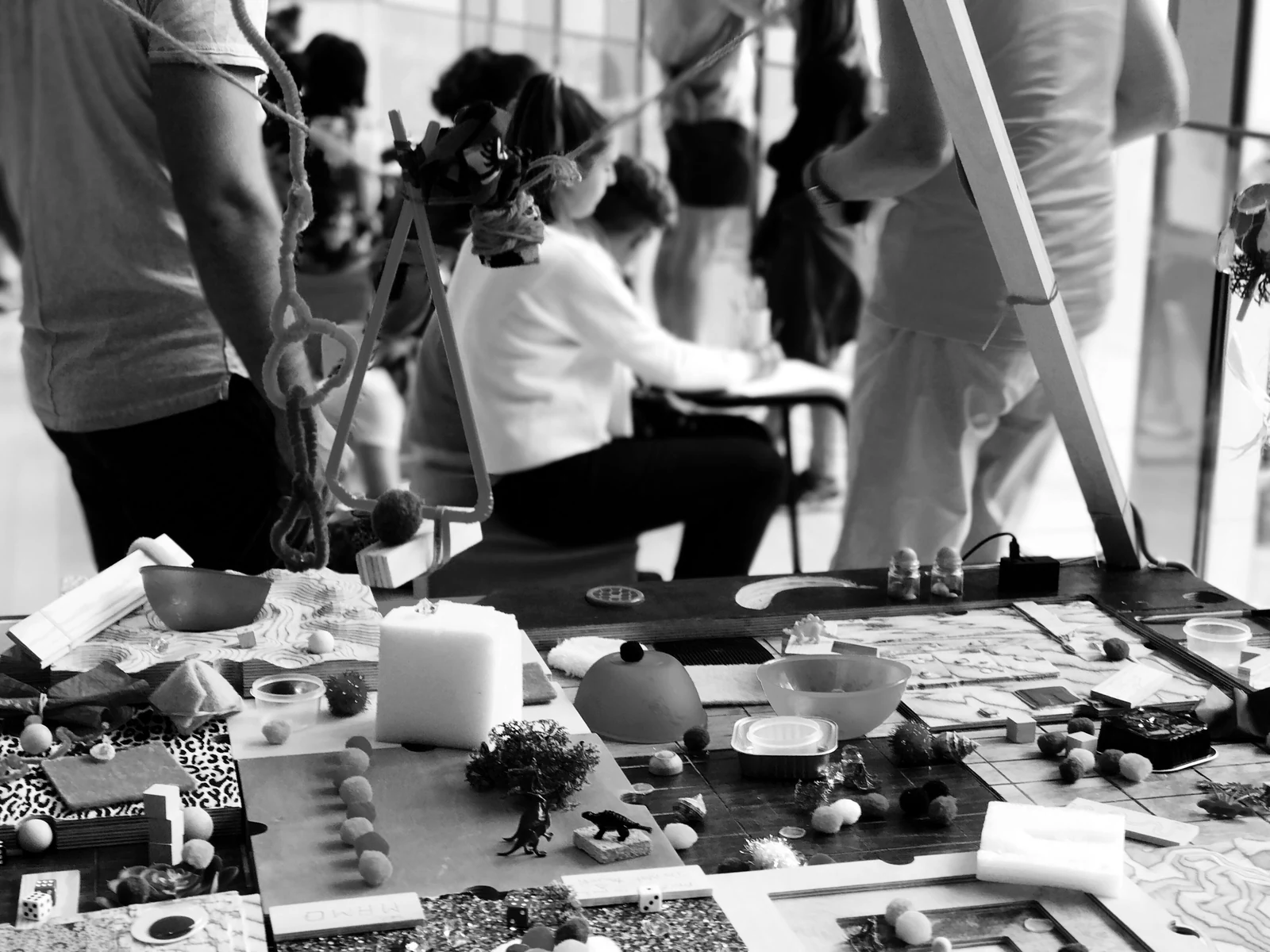
A shared ambition becomes a real experience
A creative partnership begins with the possibility of making something that needs more than one contribution. An artist brings a practice and a way of seeing. A brand, institution, hospitality group, or developer brings a context and resources. Producers and specialists help give the idea a workable form. The quality of the relationship influences what the work can become.
Velaharra's Partnerships division connects those contributions through commissions, programming, and cultural experiences. The purpose is to create meaningful opportunities for creatives while helping organizations realize a thoughtful ambition. Each engagement needs a defined scope, with creative compensation and agency services understood separately.
This collection follows a project from the first conversation to its life after presentation. It considers the brief, selection, budget, approvals, production, sponsorship, and care of the work. Together, these decisions create the conditions for a collaboration to be both creatively strong and professionally sound.
The principles apply across different formats, while the particulars belong to the project. A performance, a temporary installation, a commissioned photograph, and a recurring program each require their own understanding of people, place, time, and resources.
Give the collaboration a reason
The first useful question is why the work belongs in this setting. An organization may want to offer a particular audience a new encounter, respond to a place, or support a creative conversation connected to its purpose. The reason helps the team understand what an artist's contribution should make possible.
A hypothetical hotel courtyard commission might aim to encourage visitors to spend time with the space differently. A listening program might invite closer attention to original music. A brand partnership might support a new work whose ideas have a genuine relationship to the organization's interests. Each proposition suggests different collaborators and forms of support.
Explain the purpose before specifying every detail of the result. A creative needs enough context to respond intelligently and enough room to bring authorship to the work. That combination allows the collaboration to develop beyond the client's first mental image.
If the direction itself needs to be established, the Advisory knowledge hub offers a starting point. A partnership can also begin independently when the organization already has a clear ambition and needs help turning it into a defined project.
Write a brief that supports a response
A brief gives the creative and delivery teams a common reference. It should describe the assignment, setting, audience, resources, and decision process. It should also make clear which parts of the project are settled and which invite interpretation.
Include information that can change the proposal: access, dimensions, intended duration, relevant technical conditions, operating hours, and the people responsible for the site. A collaborator can then consider the work in its real context. The brief becomes a practical expression of the invitation.
The next step should be equally clear. A first conversation, a credentials review, and a paid concept phase ask for different levels of work. Define what is being requested, how it will be assessed, and what follows. This helps the creative participate with an informed understanding of the opportunity.
Our artist collaboration brief guide walks through a hypothetical courtyard commission. It shows how a shared purpose and explicit responsibilities help an artist, client, and delivery team begin from the same account of the project.
Select the practice with attention
The search for a collaborator becomes more useful when the team agrees what it is looking for. Artistic relevance, a relationship to the setting, an approach to collaboration, and the requirements of delivery may each matter. The relative importance of those qualities should come from the project itself.
Review a body of work and the thinking behind it. A particular image may attract attention, while a deeper encounter explains how the practice could contribute to the assignment. Ask about the creative's own role in relevant projects and what support would allow them to work well in this context.
Selection can include represented creatives, members, or external talent according to the needs of the project. The creative fit and the conditions for delivery should guide the decision. Once selected, the team can establish the technical and production relationships around the assignment.
The creative partner selection essay offers a shared-criteria approach. It helps a commissioning team preserve the reason for the choice so the artistic intention remains visible through later decisions.
Resource the whole project
A budget is a description of how the work will be supported. Creative time, materials, fabrication, transport, technical expertise, installation, presentation, and documentation may each contribute to the result. The relevant costs depend on the assignment and the responsibilities agreed.
Separate the artist's compensation from delivery costs and agency services. Identify who commissions and pays for each element, which figures are estimates, and which are confirmed. This makes the financial conversation more useful for everyone involved and gives the team a basis for adjusting scope.
Consider the timing of costs as well as the total. Materials, supplier commitments, and preparation may need funding before presentation. A clear payment schedule and an accurate record of commitments help the project proceed with fewer surprises.
Our artist commission budget guide includes a labeled illustrative allocation and a method for tracking approved, committed, and paid costs. The figures demonstrate how to read a budget; actual fees and costs require a project-specific scope and quotations.
Give decisions a clear sequence
Creative projects develop through stages. A team may first agree a concept, then consider material or technical development, and later review the final presentation. Each stage benefits from a clear account of what is being decided and who has authority to decide it.
Consolidated feedback helps the creative respond with purpose. Explain what is working, which question needs further development, and why it matters to the agreed brief. A specific concern gives the artist or creative team room to propose an appropriate response.
Record approvals with the relevant version of the work. When a new idea changes the assignment, discuss its effect on cost, time, and delivery before making the commitment. This allows a useful improvement to be considered on its actual terms.
The creative approvals guide follows a feedback conversation from a broad reaction to actionable direction. It shows how a reliable review process can support original work while keeping the client's responsibilities clear.
Produce the experience with care
The public encounter is supported by a sequence of practical decisions. A room needs preparation. Contributors need a clear arrival and working schedule. Equipment and technical checks need time. Hosts need to understand how the audience will enter, participate, and leave.
A production plan connects those activities and identifies the handovers between people. A running order is useful when someone can read it under working conditions and understand what they are responsible for next. Contact arrangements and a clear route for decisions help the team respond when the situation changes.
Christopher's event-production background is relevant to Velaharra's attention to the relationship between creative intent and delivery. The agency's role, the client's role, and the responsibilities of specialist providers should be established for the particular engagement. Different formats and sites require different expertise.
Our cultural event production guide covers the sequence from preparation to close-out. It also points readers toward current Austin event-planning guidance for requirements that depend on the actual proposal and location.
Connect the handovers between people
A cultural project often moves through several kinds of expertise. The client establishes purpose, the artist develops a response, a producer organizes delivery, and specialists contribute to the practical realization. A handover should carry the information the next person needs as well as the decision already made.
When a concept moves into production, preserve the approved creative intention alongside the current drawings, schedule, and responsibilities. Identify which elements are essential to the encounter and which remain open to technical development. That distinction helps the production team contribute intelligently.
For a hypothetical installation, a material adjustment may improve practical delivery while preserving the intended experience. A change in placement may affect how the audience encounters the work and require another creative discussion. The handover should make it clear who needs to be involved in each kind of decision.
At the transition to public presentation, brief the people who will introduce or host the work. They need a clear account of the creative proposition, accurate credits, and the practical information participants will ask for. A thoughtful introduction can give an audience a useful way into a work while leaving interpretation open.
After presentation, the handover may concern care, documentation, or removal. Keep the relevant agreements and instructions with the people responsible. A well-connected sequence allows each contribution to support the next and helps the project retain its coherence as more people become involved.
Make documentation serve a clear purpose
Decide what the project needs to preserve. A record may help the artist show the work, help a client explain the commission, or help an operating team understand its installation and care. Those purposes can require different images, notes, or permissions.
Discuss documentation early enough to resource it properly. A live program may need a photographer who understands when the work can be recorded without disrupting the encounter. An installation may need images before the audience arrives as well as photographs showing how people use the setting. The appropriate plan depends on the project.
Agree how files will be selected, credited, shared, and used. Identify any approvals needed from contributors and keep the agreed terms accessible with the final material. Clear arrangements make it easier for the result to have a useful public life.
A short written account can preserve information an image cannot show: the purpose, the contributors' roles, the setting, and the decisions that shaped the result. Use factual descriptions and distinguish the actual outcome from future ambitions. This creates a record the project team can refer to and a foundation for an honest account of the work.
Documentation can also support learning. When the team reviews the finished experience alongside the original brief, it can see where an idea developed and which conditions helped it succeed. That knowledge is a useful resource for the next commission.
Let programming develop through experience
A cultural program can become part of a place's character when people have a reason to return. The proposition should be clear enough to recognize and flexible enough for different contributors to bring their own work. Consistency of care can matter as much as frequency.
Consider the experience from both sides of the invitation. Participants need a way into the work; contributors need the preparation and support to share it well. Sound, pacing, introductions, and the quality of attention in the room all influence what the encounter can offer.
After a first edition, review what deserves to continue and which adjustment would improve the next one. A stronger welcome, a more suitable time, or a revised sequence may preserve the creative proposition while making participation easier. Learning becomes part of the program's development.
The essay on what gives cultural programming lasting value follows the encounter beyond attendance. For a hospitality setting, the hotel programming guide connects that experience with the operation of the property.
Connect sponsorship with a meaningful contribution
Sponsorship can help worthwhile cultural work happen when the contribution and the relationship are clear. A supporting organization may fund artist fees, provide materials, contribute technical capacity, or support a public element of the program. The project should be able to explain what that support enables.
Recognition should fit the experience and the agreement. Credits, communications, hospitality, or content requests each need to be defined and resourced. The creative proposition should remain understandable to the audience, with the sponsor's role expressed accurately.
Choose evidence that the project can responsibly provide. Approved documentation, a concise account of delivery, and relevant participation information may help the sponsor understand its contribution. A continuing relationship can then be discussed in light of what both parties learned.
The cultural sponsorship essay develops this contribution-led approach. It is intended to help organizations build relationships that can be understood and valued beyond a single announcement.
Care for work in a shared place
A public-facing commission has a life within a setting people use every day. Planning should consider how the work is encountered, the practical conditions of the site, and the responsibilities that continue after installation. The intended duration makes a difference to those decisions.
Bring artistic, operating, and technical perspectives together early. A site team understands daily use; an artist understands the proposed encounter; qualified specialists can assess the requirements within their expertise. Their contributions help the project become both meaningful and supportable.
Agree documentation, maintenance responsibilities, and the process for future questions. For temporary work, define the arrangements for removal, return, storage, or another agreed outcome. That gives the commission a considered beginning and ending.
Our public-facing art planning guide explores this stewardship. It includes Austin's Art in Public Places program as local context while keeping the requirements of an individual private project separate and specific.
Carry the relationship beyond delivery
A finished project creates an opportunity to understand what the collaboration made possible. A careful close-out gathers the approved documentation, resolves outstanding responsibilities, and records the learning that can support future work. Contributors should know what happens next and how the result may be used.
The next phase might be another commission, a recurring program, or a different relationship entirely. Choose it according to the experience of the work and the interests of those involved. A partnership becomes stronger when continuity is a considered choice.
The Representation collection explores these decisions from the creative's career perspective. The Cultural Platform collection considers the sustained exchange through which people come to understand one another's work. Together with Advisory and Partnerships, those perspectives reflect Velaharra's belief that relationships help original work travel further.
Bring a purpose, a setting, and an honest account of the resources available. A useful partnership conversation can begin there, with the people and conditions needed to make the work well.